Solidarity Day Labor Stands United

Category
Additional Images
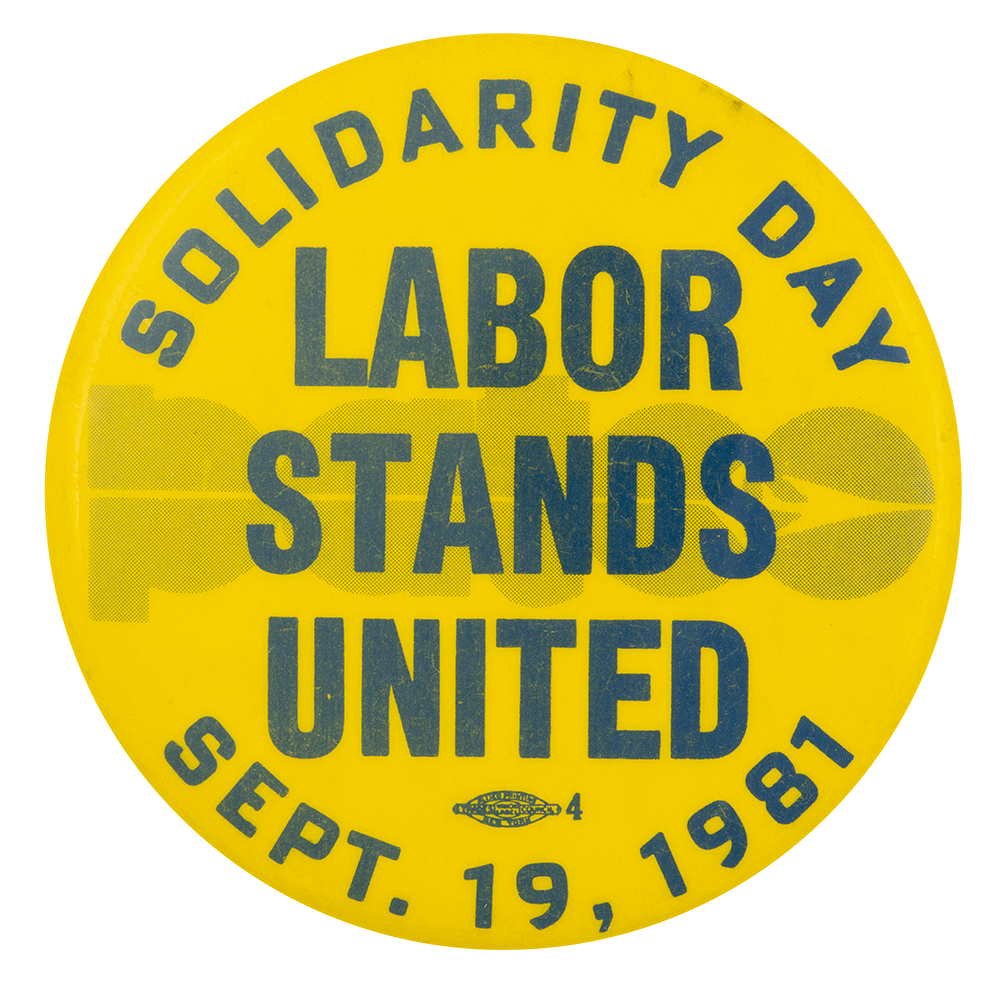
Text on Button SOLIDARITY DAY LABOR STANDS UNITED SEPT. 19, 1981
Image Description

Blue text over a yellow background

Back Style
The Shape
The Size
Year / Decade Made
Additional Information

The Solidarity Day march of September 19, 1981 was a major political rally that took place in Washington D.C in support of organized labor, and specifically in support of the 12,000 air traffic controllers who were fired for going on strike a month earlier. The strikers demanded increased wages and safer working conditions, but because they were federal employees, they were barred from striking. President Ronald Reagan threatened to fire them if they did not return to work and when they refused, the President fired all of them.

While the air traffic controllers were on strike, their union officials had visited other unions to garner support. This led to the march in Washington D.C. on September 19, 1981 in which almost half a million people showed up in support, earning the name Solidarity Day as it was a show of organized labor.

Sources

Pianin, E., Brown, W., Sager, M., & Sargent, E. D. (1981). 250,000 March to Protest Reagan's Policies. The Washington Post. Retrieved from https://www.washingtonpost.com/archive/politics/1981/09/20/250000-march…

Russum, B. (2014). Today in labor history: Huge Solidarity Day march in Washington.  People's World. Retrieved from https://www.peoplesworld.org/article/today-in-labor-history-huge-solida…

Catalog ID EV0576

See Midget City

Category
Additional Images
Sub Categories
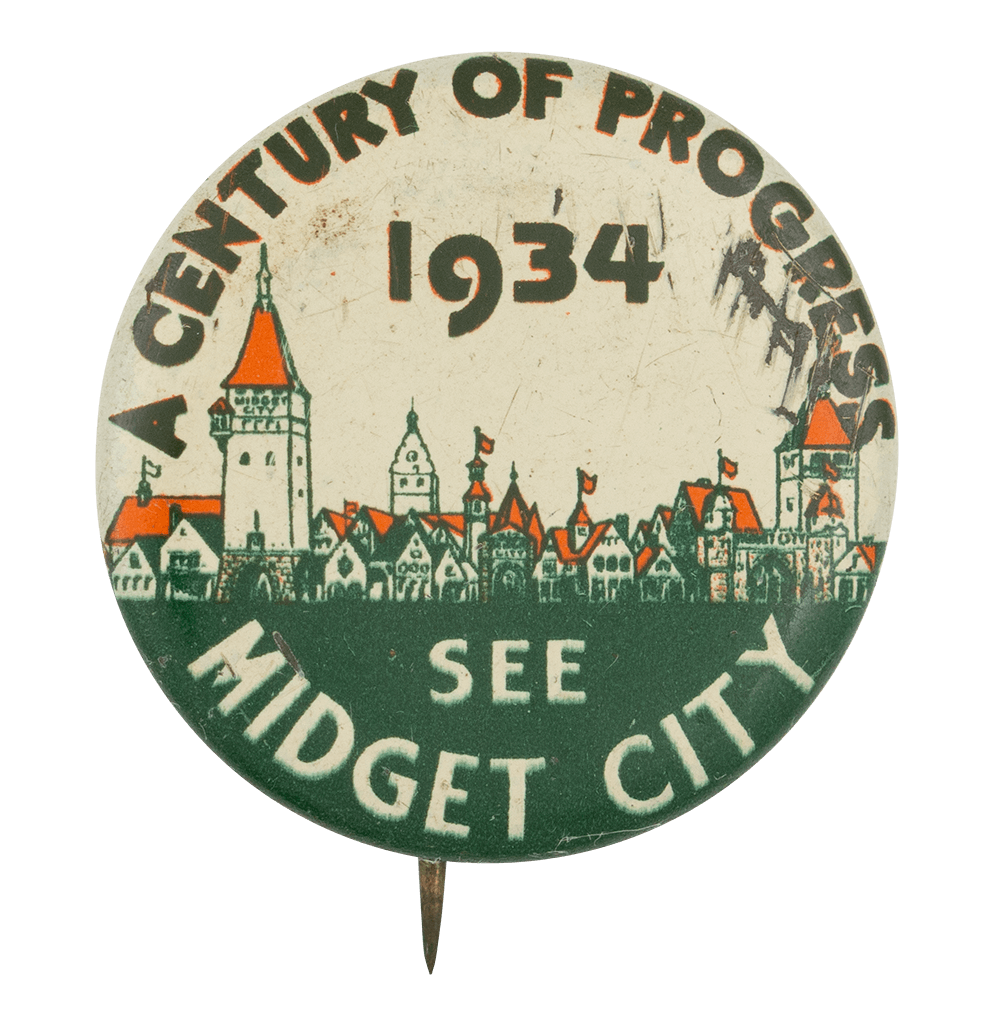
Text on Button A CENTURY OF PROGRESS 1934 SEE MIDGET CITY
Image Description

Green text over an illustration of a town over green with white text on top

Back Style
The Shape
The Size
Year / Decade Made
Additional Information

A Century of Progress was the theme of the 1933-34 Chicago World's Fair. The fair featured numerous exhibitions and cultural displays, including a "midget village" which was advertised as being inhabited by sixty Lilliputians. The exhibition later expanded and was renamed "Midget City." Historically, the term midget was used to describe people with the medical condition dwarfism.

Sources

Dwarfism display at World's Fair. (1933). Science Photo. Retrieved from https://www.sciencephoto.com/media/600277/view/dwarfism-display-at-worl…

Catalog ID CH0288

Rock Against Racism Star

Category
Additional Images
Sub Categories
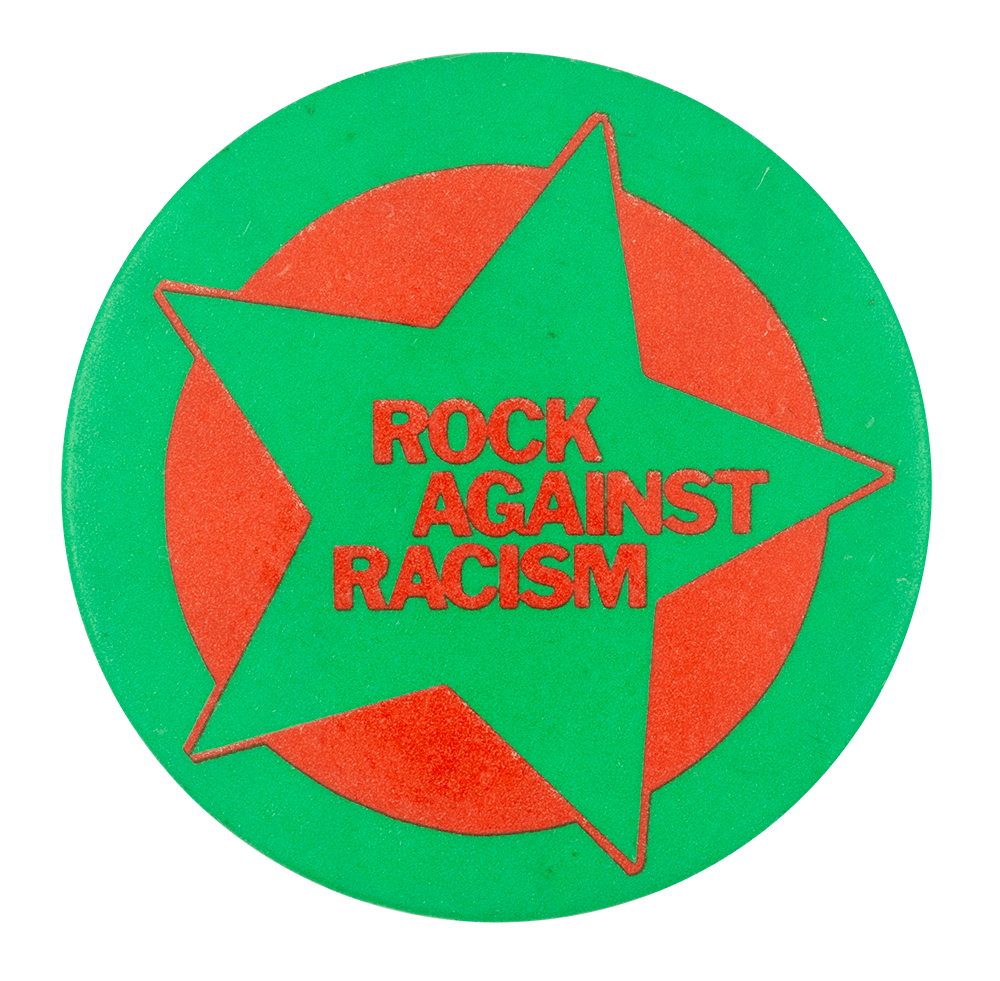
Text on Button ROCK AGAINST RACISM
Image Description

Red text on a green star on a red circle with a green background

Back Style
The Shape
The Size
Additional Information

Rock Against Racism was a campaign that was first launched in the United Kingdom in 1976 in response to increased racial conflict, growing numbers of white nationalist groups, and racist statements made by well-known rock musicians in interviews or during concerts. Various pop, rock, punk and reggae musicians united to play concerts intended to prevent young music fans from becoming involved with racist groups or actions. Although initially created as a one-time event, multiple Rock Against Racism concerts were held throughout the late 1970's in the United Kingdom, featuring bands such as The Clash, Elvis Costello, and Buzzcocks. In 2002, the Rock Against Racism concert series was resurrected with new bands and renamed Love Music Hate Racism.

Catalog ID CA0732

Rideau Canal Duck Race

Category
Additional Images
Sub Categories
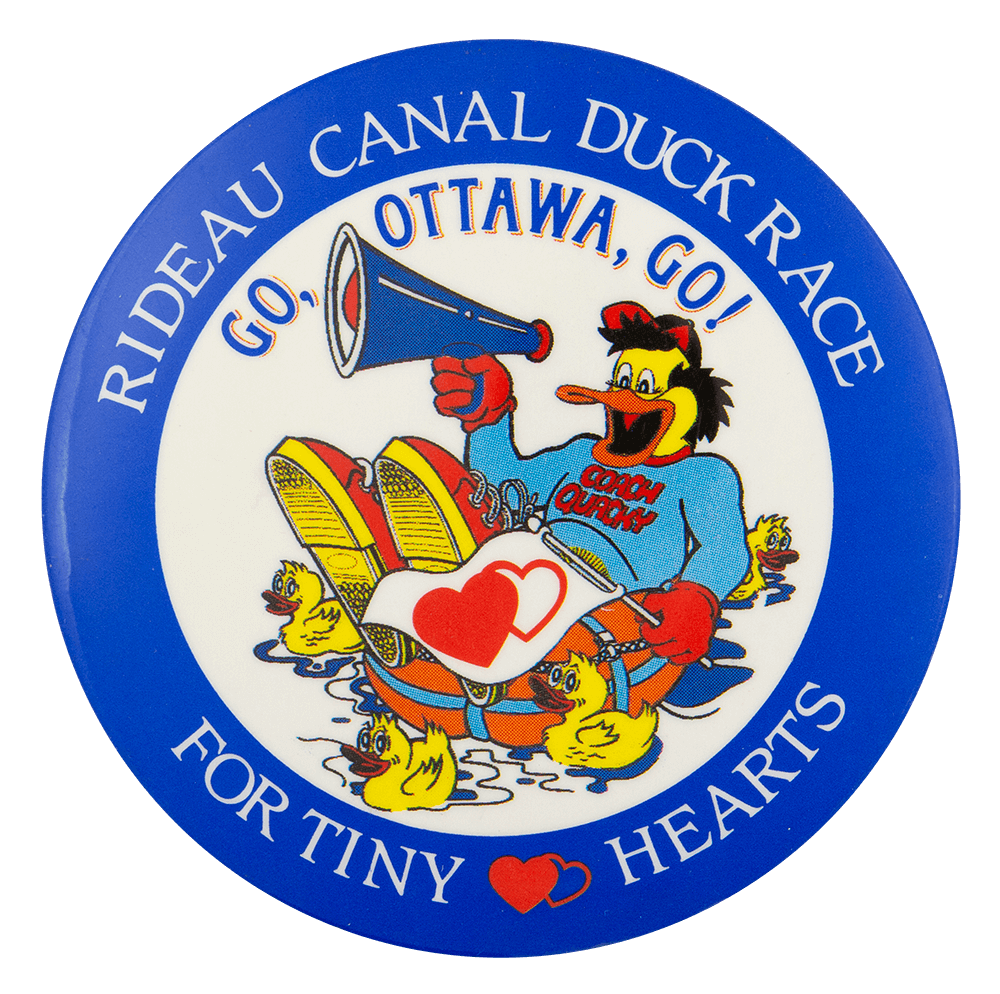
Text on Button RIDEAU CANAL DUCK RACE FOR TINY HEARTS COACH QUACKY
Image Description

White text on an outer blue edge with blue text on a white circle with an illustration of ducks

Curl Text MADE IN CHINA by HAS NOVELTIES LTD OTTAWA (613)238-2223
Back Style
The Shape
The Size
The Manufacturer
Additional Information

The Kiwanis Duck Race is a charitable event that takes place every spring in Ottawa, Canada down the Rideau Canal. Participants can sponsor a duck by purchasing a $5 ticket and winners take home prizes. The race was first established in 1987 and it benefits the Children's Hospital of Eastern Ontario.

Sources

Kiwanis Duck Race for Tiny Hearts at CHEO. (n.d.). Retrieved from https://www.ottawakiwanis.org/home-page/kiwanis-duck-race-for-tiny-hear….

Catalog ID EV0565

Record Store Day 2014

Category
Additional Images
Sub Categories
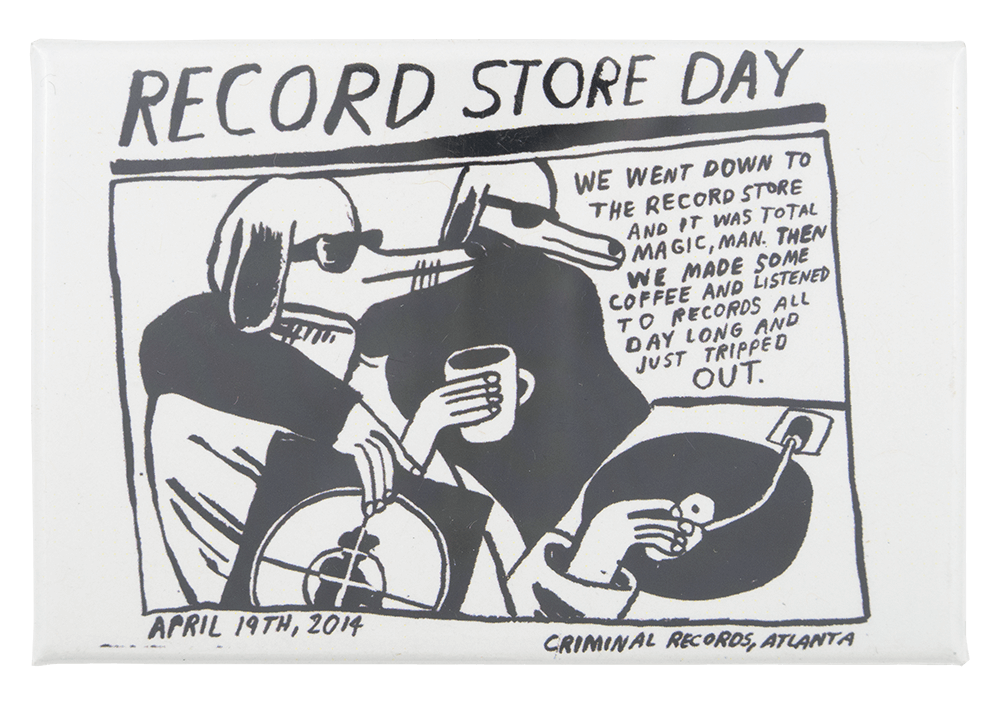
Text on Button RECORD STORE DAY WE WENT DOWN TO THE RECORD STORE AND IT WAS TOTAL MAGIC, MAN. THEN WE MADE SOME COFFEE AND LISTENED TO RECORDS ALL DAY LONG AND JUST TRIPPED OUT. APRIL 19TH, 2014 CRIMINAL RECORDS, ATLANTA
Image Description

Black text and an illustration of two dogs listening to a record and drinking coffee on a white background

Back Style
The Shape
The Size
Year / Decade Made
Additional Information

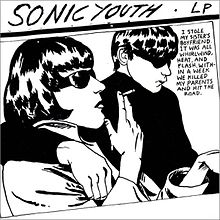
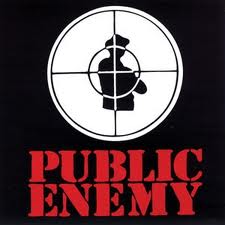
A concept created during a gathering of independent record store owners in 2007, Record Store Day is now known as a celebration of independent records stores and the "unique culture" that surrounds them. The first Record Store Day took place on April 19, 2008 and is now celebrated annually by participating stores on every continent except for Antarctica. Usually marked by in-store concerts and special vinyl releases for purchase, the events are intended to bring together record store employees, patrons, and both small and large label artists. This button marks the 2014 Record Store Day event held by Criminal Records which is a locally owned and independently operated record store located in Atlanta, Georgia. The illustration appears to play off the iconic cover art for indie rock band Sonic Youth’s first major label album, Goo, which was released in 1990 and portrayed a mod couple wearing sunglasses and smoking cigarettes. The Criminal Records button illustration also contains the iconic image associated with legendary rap group Public Enemy which depicts the silhouette of a man caught in a crosshair. Interestingly, Chuck D. of Public Enemy famously lends his voice to the track "Kool Thing" on Sonic Youth's pivotal Goo album. The following link is footage of the Criminal Records 2014 Record Store Day event: https://www.youtube.com/watch?v=qL6ybnrX7gQ 

Sources

Record Store Day. (2018) About Us. Retrieved from https://www.recordstoreday.com/CustomPage/614

Catalog ID EV0557

Rally Day Flags

Additional Images
Sub Categories
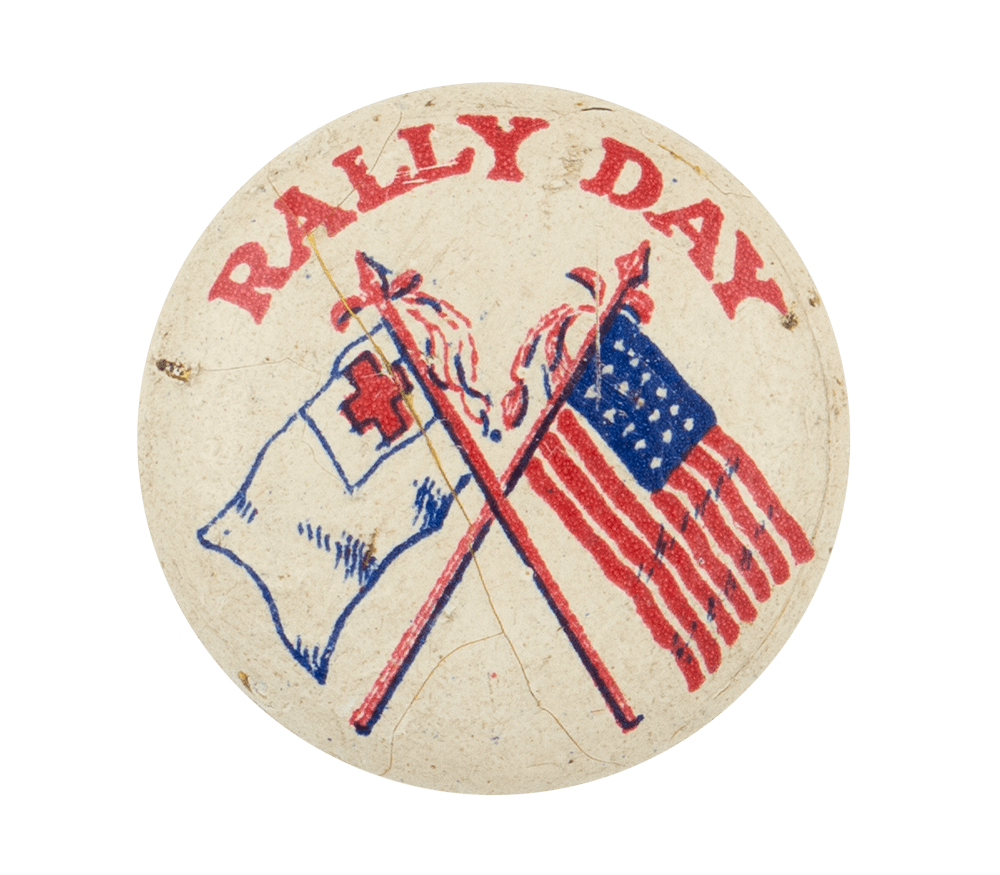
Text on Button RALLY DAY
Image Description

Red text over two flags on a white background

Back Paper / Back Info

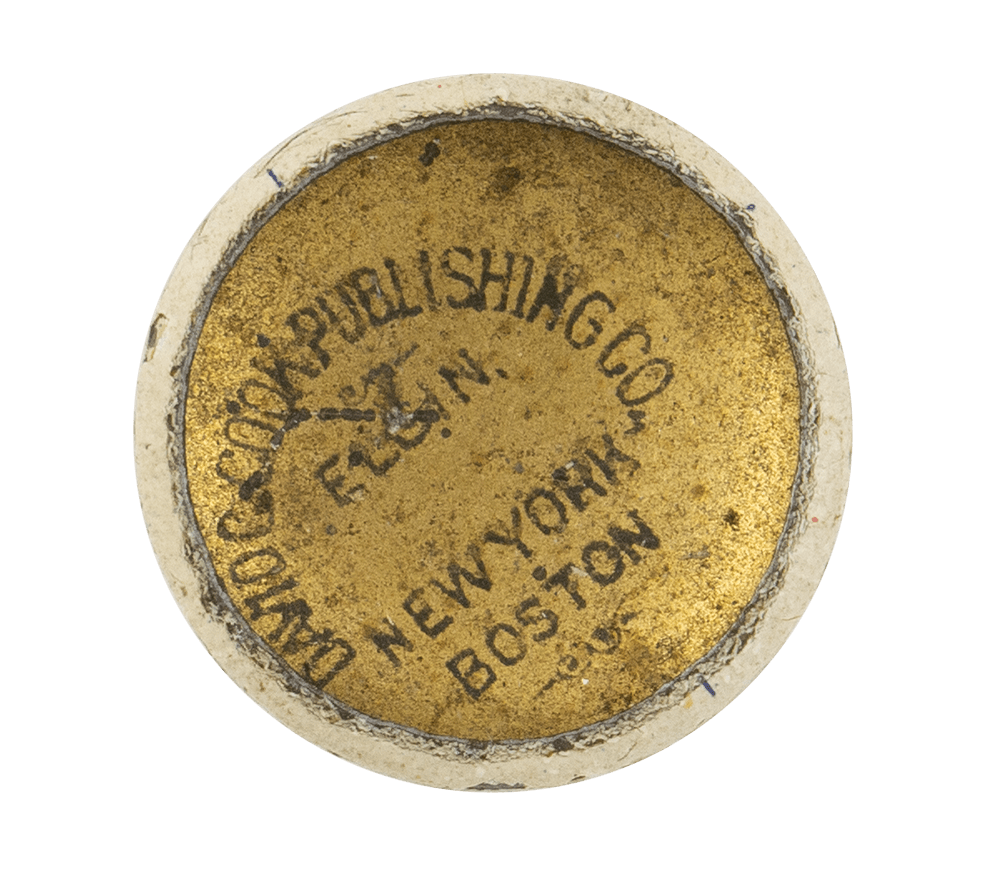
DAVID C. COOK PUBLISHING CO. ELGIN NEW YORK BOSTON

Back Style
The Shape
The Size
The Manufacturer
Additional Information

Some liturgical protestant churches choose to celebrate Rally Day to mark the beginning of the church calendar year, which usually comes at the end of September or the beginning of October. Churches celebrate Rally Day in various ways, but standard events and customs include handing bibles out to children, celebrating the graduation of Sunday school students from one grade to the next, welcoming new members into the church, and formally presenting church goals for the coming year. The word “rally” signifies that this day marks a time when all church members can come together and celebrate their shared beliefs, values and purpose.

The Christian flag, pictured here with the American flag, was created in the early 20th century and it is used all over the world by many different Christian groups. The colors of the flag are symbolic - the red cross represents the blood of Jesus and the white of the flag stands for the purity of Jesus Christ.

Catalog ID EV0625

Rally Day

Category
Additional Images
Sub Categories
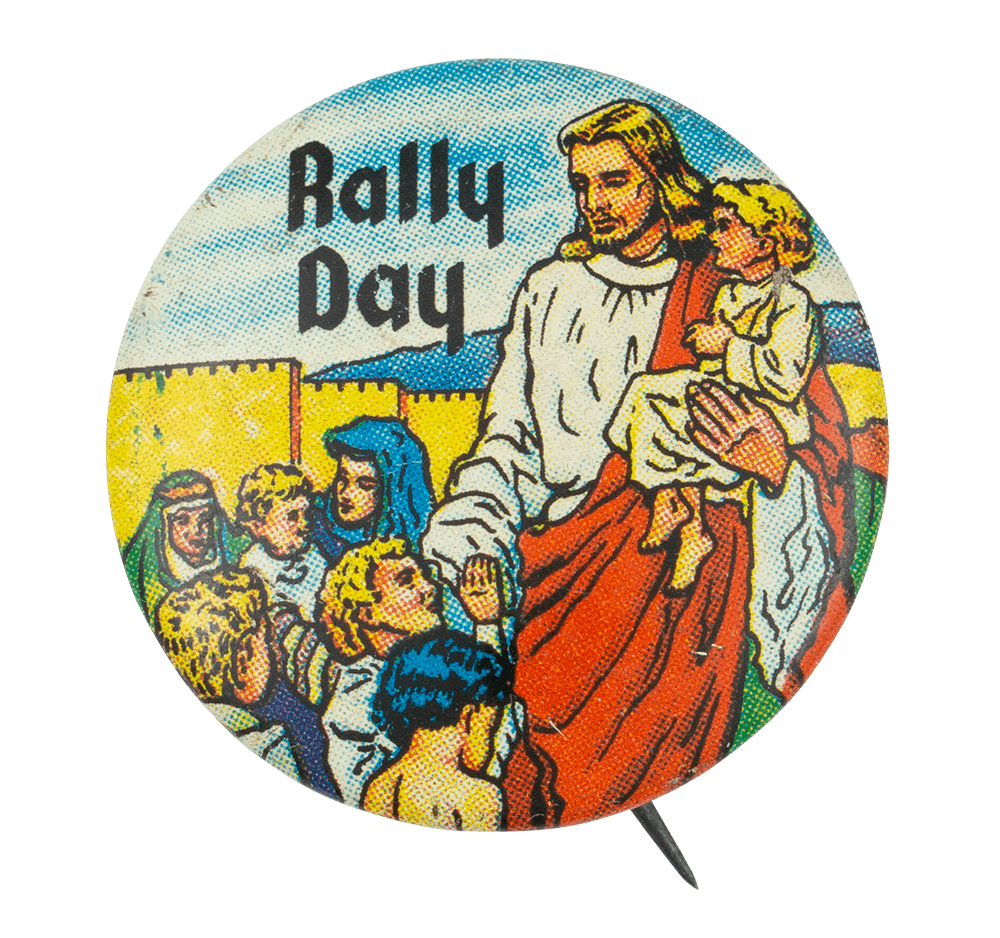
Text on Button Rally Day
Image Description

Illustration of Jesus holding a child with people around him and a yellow wall behind him

Back Paper / Back Info

ANOTHER CONCORDIA PRODUCT

Back Style
The Shape
The Size
Additional Information

Some liturgical protestant churches choose to celebrate Rally Days to mark the beginning of the church calendar year, which usually comes at the end of September or the beginning of October. Churches celebrate their Rally Days in various ways, but standard events and customs include handing bibles out to children, celebrating the graduation of Sunday school students from one grade to the next, welcoming new members into the church, and formally presenting church goals for the coming year. The word “rally” in Rally Day signifies that this is a time when all church members can come together and celebrate their shared beliefs, values, and mission.

Catalog ID EV0608

President's Safety Award

Category
Additional Images
Sub Categories
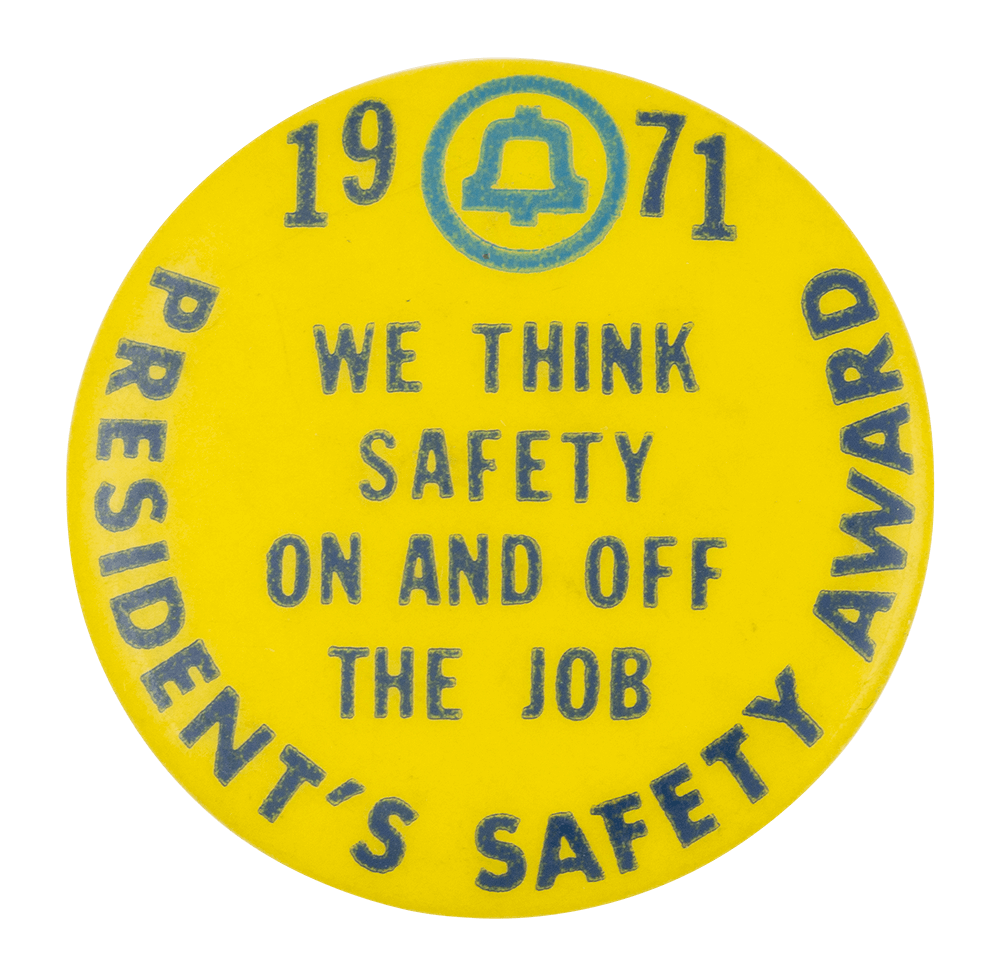
Text on Button 1971 WE THINK SAFETY ON AND OFF THE JOB PRESIDENT'S SAFETY AWARD
Image Description

Blue text and an light blue illustration of a bell inside a circle on a yellow background

Back Style
The Shape
The Size
Year / Decade Made
Additional Information

Created for The Bell System, a collective of telecommunication organizations that supplied telephone service across the United States, the President's Safety Awars recognized outstanding safety in the workplace. The Bell network combined AT&T, Bell Telephone Laboratories, Western Electric, and local Bell Telephone companies. This collective would produce countless communication services and products. It was the country's largest employer and worked with civil defense during the cold war era. The bell's image was designed by the Bass & Yager design firm in the late 1960s. It would become one of the most recognizable logos nationwide. On January 1, 1984, the Bell System ended; the U.S. Department of Justice dismantled the monopoly.

Sources

Beatrice companies. (2017). Bell system history. https://www.beatriceco.com/bti/porticus/bell/bellsystem_history.html

Catalog ID EV0650

Portland the Rose City

Category
Additional Images
Sub Categories
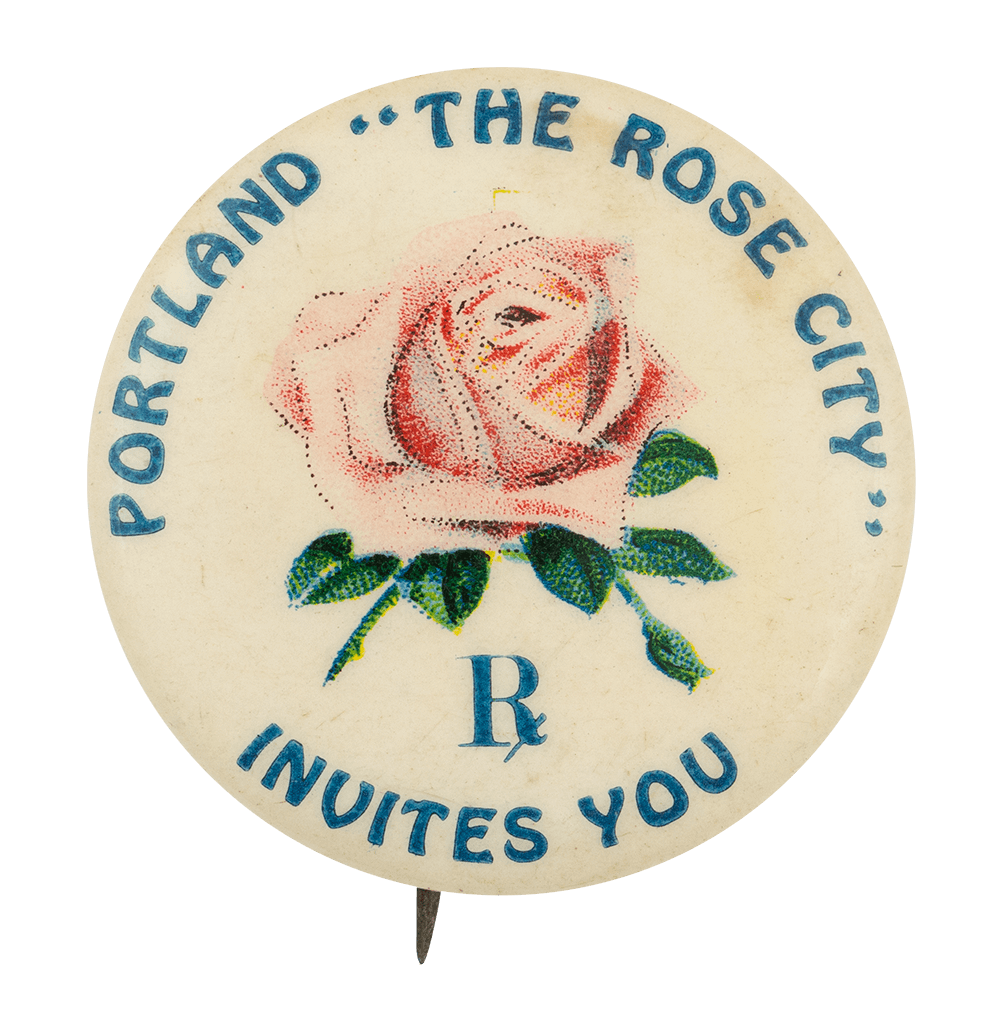
Text on Button PORTLAND "THE ROSE CITY" INVITES YOU
Image Description

Blue text and an illustration of a pink rose on a white background

Back Style
The Shape
The Size
Additional Information

The Portland Rose Society was founded n 1888, when Georgiana Burton Pittock invited acquaintances to display their roses in her garden. The “Madame Caroline Testout” rose became a hit in Portland, and by the 1905 Lewis and Clark Centennial event, the city had 200 miles of streets bordered with roses. In 1915, hobbyist Jesse A. Currey convinced the city’s officials to create a test garden to preserve cultivars in danger of being destroyed in World War I in Europe. The garden was completed in 1924, and Currey served as the first curator until his death, in 1927. Other gardens and parks in the city feature roses prominently, including a garden dedicated to Gold Award roses. Frank Edwin Beach suggested the first annual Rose Festival, and is said to have given Portland the moniker, the “City of Roses.”

Sources

Portland Parks and Recreation. (2019). International Rose Test Garden: Washington Park. Retrieved from https://www.portlandoregon.gov/parks/finder/index.cfm?&action=ViewPark&….

Catalog ID EV0666