
| Information |
M3 is an award winning independent comic book written by Erica Schultz with art by Vincente Alcazar. 1", locking pin. No curl text. |
|---|---|
| Button Image |
| Information |
1972 George Lois initiated every New Yorker into a new team: You're too heavy for the Mets? You're too light for the Jets? You're too short for the Nets? You're just right for the Bets! His clean sports angle made Off-Track Betting socially acceptable, and New Yorkers entered sleazy smoke-filled OTB parlors in droves and the city made a bundle. 2", NG Slater curl text. Locking style pin |
|---|---|
| Button Image |
| Information |
During the 1960s Prospect Park skating rink was home to the Brooklyn Blades Junior Ice Skating Competition. Measures 3", locking style pin, no curl text
|
|---|---|
| Button Image |
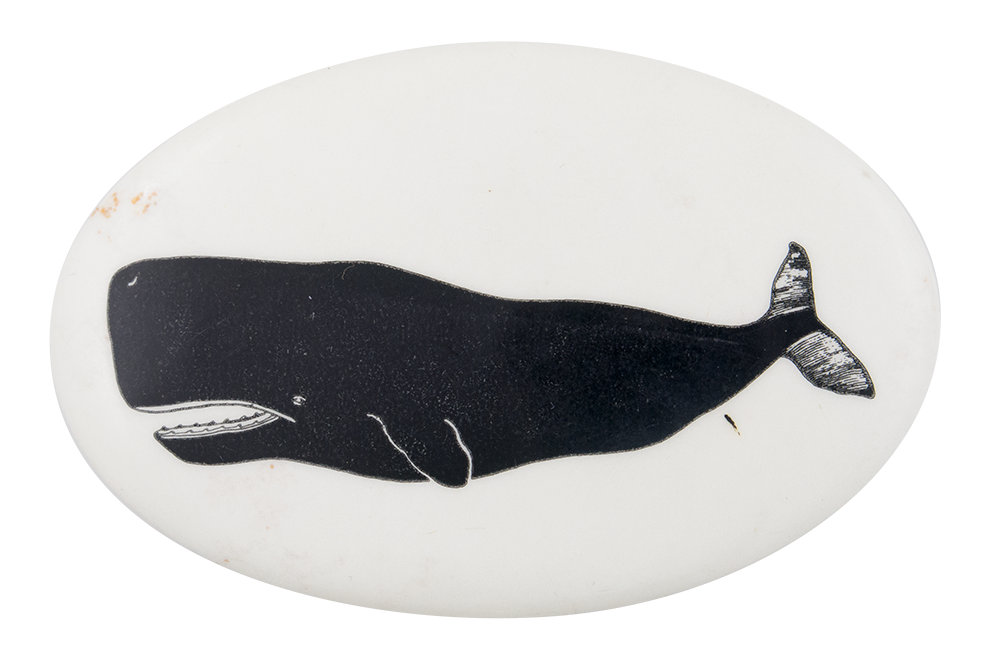
Sperm Whale 2
| Category | |
|---|---|
| Additional Images |

|
| Sub Categories | |
| Image Description | Black and white illustration of a sperm whale on a white background. |
| Curl Text | Hewig Marvic Brooklyn N. Y. 11222 |
| Back Style | |
| The Shape | |
| The Size | |
| Additional Information | Sperm whales are easily identified by their enormous heads, which make up approximately 1/3 of the whale’s body. With an average length of 52 feet and average weight of 40 tons, these giants of the ocean are larger than the average school bus and consume about one ton of fish and squid per day. Though still an endangered species, the sperm whale population is growing due to stricter regulations in the whaling industry. Arguably the most famous sperm whale in popular culture is the mythical albino nemesis of Captain Ahab in Herman Melville’s Moby Dick; Melville’s leviathan was actually based on a real sperm whale that attacked the whaling ship Essex in 1820. |
| Catalog ID | AR0176 |
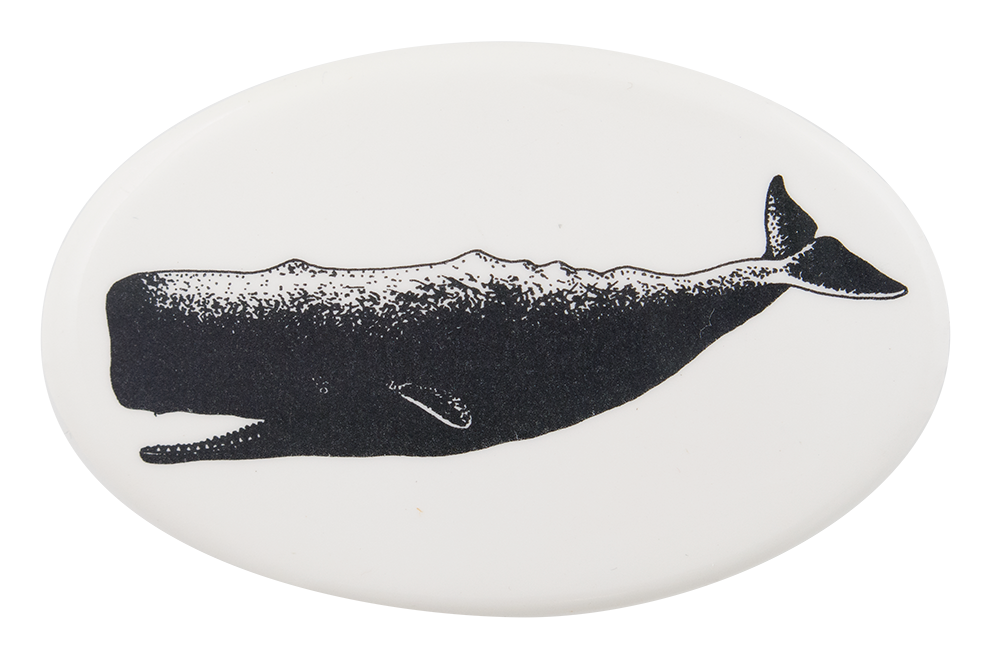
Sperm Whale
| Category | |
|---|---|
| Additional Images |

|
| Sub Categories | |
| Image Description | Black and white illustration of a sperm whale on a white background. |
| Back Style | |
| The Shape | |
| The Size | |
| Additional Information | Sperm whales are easily identified by their enormous heads, which make up approximately 1/3 of the whale’s body. With an average length of 52 feet and average weight of 40 tons, these giants of the ocean are larger than the average school bus and consume about one ton of fish and squid per day. Though still an endangered species, the sperm whale population is growing due to stricter regulations in the whaling industry. Arguably the most famous sperm whale in popular culture is the mythical albino nemesis of Captain Ahab in Herman Melville’s Moby Dick; Melville’s leviathan was actually based on a real sperm whale that attacked the whaling ship Essex in 1820. |
| Catalog ID | AR0179 |
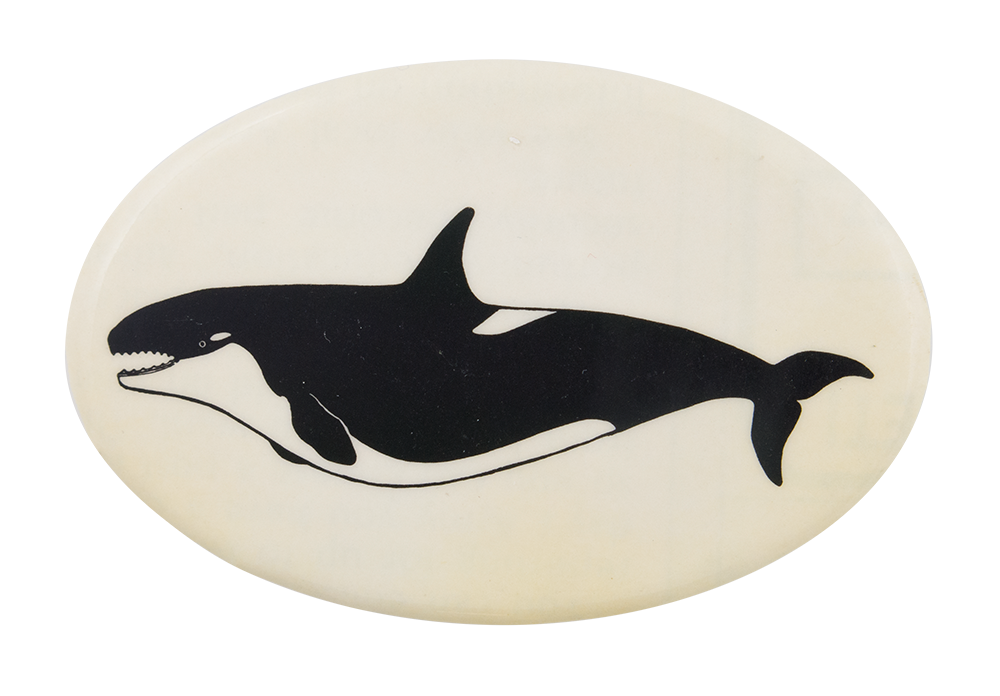
Orca Whale 2
| Category | |
|---|---|
| Additional Images |

|
| Sub Categories | |
| Image Description | Black and white illustration of an orca whale on a white background. |
| Curl Text | © Mary Austin |
| Back Style | |
| The Shape | |
| The Size | |
| Additional Information | The Orca, known colloquially as the Killer Whale, is the largest member of the dolphin family. Orcas are considered to be one of the world’s most ferocious predators, subsisting on a diet of other marine mammals—seals, sea lions, and other species of whales—as well as fish, squid, and sometimes sea birds. Orcas are easily recognizable due to their distinctive black and white coloring, and are highly intelligent and cunning. They travel in pods of up to 40, and use echolocation to communicate and strategize when hunting. Orca pods are led by a dominant female, and scientists believe that each pod develops its own unique way of communicating, similar to a dialect. Orcas have not been hunted extensively, however populations in North America, Iceland, and Japan have dwindled significantly due to live capture for placement in marine parks and aquariums. |
| Catalog ID | AR0175 |
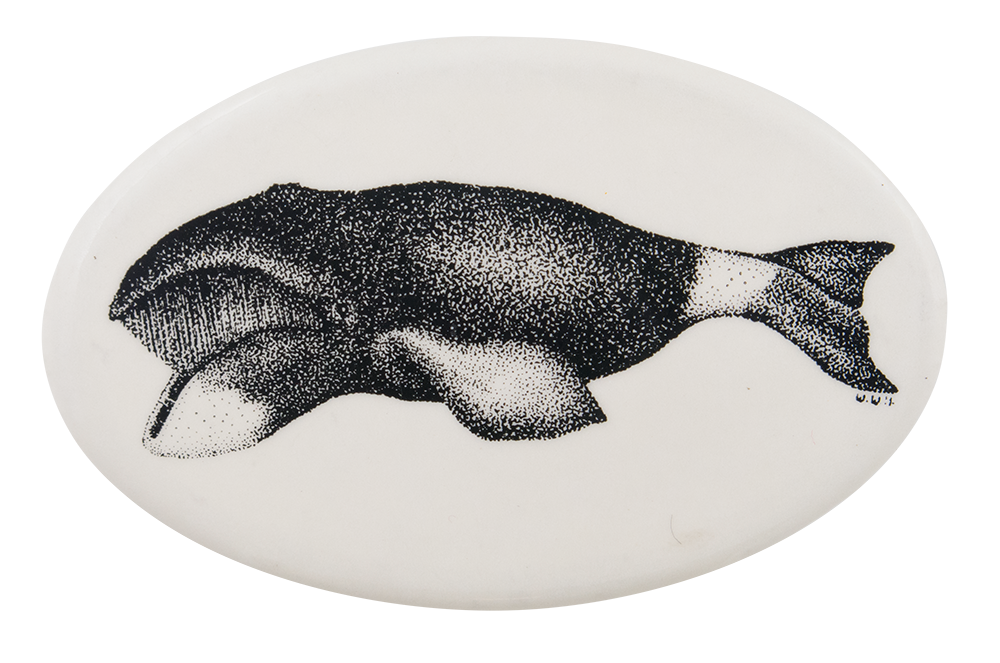
The Oakland Whale Center Grey Whale
| Category | |
|---|---|
| Additional Images |

|
| Sub Categories | |
| Text on Button | W.W.I |
| Image Description | Black and white illustration of a grey whale on a white background. |
| Curl Text | GRAY WHALE-WHALE CENTER OAKLAND CA 94611 |
| Back Style | |
| The Shape | |
| The Size | |
| Additional Information | The Oakland Whale Center offered an “Adopt A Gray Whale Calf” program to provide an opportunity for children to learn more about the large ocean mammals that migrate up and down the Pacific coast, between the Arctic Ocean north of Alaska and Baja California, Mexico. For $25, adopters received a photo of a whale calf, an official adoption certificate, quarterly updates, and activity pages. Pacific gray whales were targets of extensive hunting in the 19th and early 20th centuries, causing the species to be nearly extinct by the 1920’s. Thanks to conservation efforts, Pacific gray whales are now a protected species; in 1994, they were removed from the endangered species list. The Oakland Whale Center was founded by Maxine McCloskey, Ronn Storro-Patterson, Tom Johnson, and other environmentalists concerned with whale issues. During its ten years of operation, the Whale Center was an active presence at meetings of the International Whaling Commission and other international marine mammal organizations. Though now defunct, many of the activities and conservation work carried out by the Oakland Whale Center have been taken on by the Marine Mammal Center of Marin County, California and the International Marine Mammal Project. This includes the Whalebus—a popular outreach program that brings educational programming about whales and marine life to Bay Area school children. |
| Catalog ID | AR0143 |
Grey Whale 2

| Category | |
|---|---|
| Additional Images |

|
| Sub Categories | |
| Image Description | Grey and black illustration of a grey whale on a white background. |
| Curl Text | Copyright symbol Earth Art Works, 1982 Alameda CA |
| Back Style | |
| The Shape | |
| The Size | |
| Year / Decade Made | |
| The Manufacturer | |
| Additional Information | The grey whale is a type of baleen whale that reaches 45-46 feet and weighs 30-40 tons. They live predominantly in the North Pacific and migrate between the arctic seas and the lagoons of Baja California, Mexico, although there have been sightings of grey whales in the North Atlantic and the Mediterranean Sea in recent years. The grey whale was given full protection status by the International Whaling Commission in 1947 and since then, the north Pacific population has reached between 19,000 and 23,000. |
| Catalog ID | AR0177 |
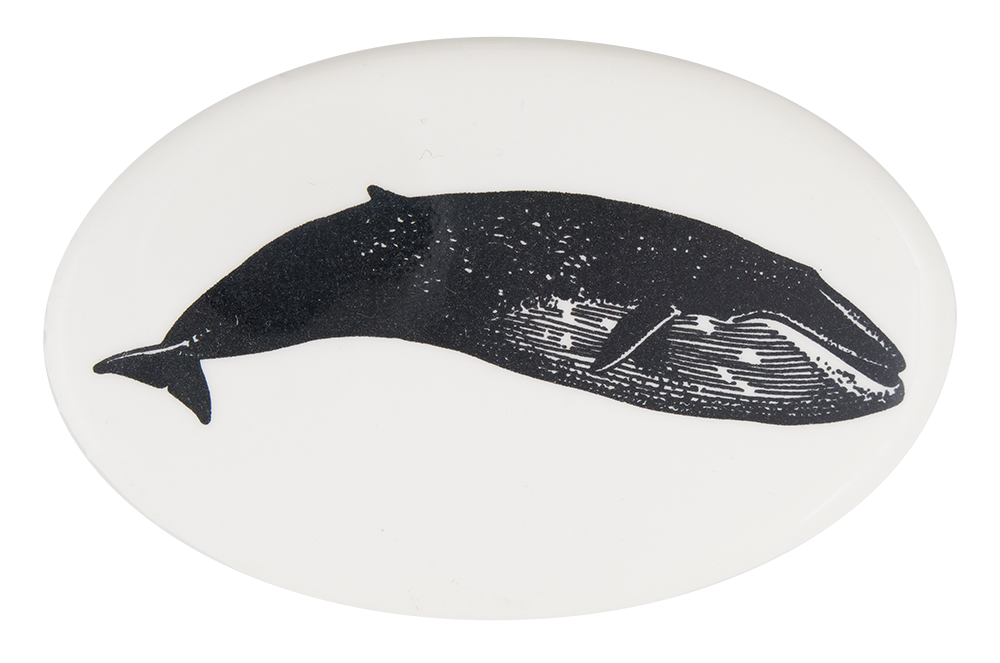
Blue Whale 4
| Category | |
|---|---|
| Additional Images |

|
| Sub Categories | |
| Image Description | Black and white illustration of a blue whale on a white background. |
| Back Style | |
| The Shape | |
| The Size | |
| Additional Information | The Blue Whale, at approximately 100 feet in length and 200 tons, is the largest known animal ever to have lived on Earth. A blue whale’s tongue alone is larger than an elephant; its heart is larger than an average-sized car. Despite their large size, blue whales are not aggressive predators. Rather, they subsist on a diet of almost solely krill—tiny shrimp-like animals. Blue whales usually swim alone or in pairs, and can be found in all the oceans around the world. In addition to owning the title of largest animal, blue whales are also considered the loudest animals on earth. Like other whales and dolphins, blue whales use groans and pulses to both navigate and communicate. Blue whales have few natural predators, however they were driven to near extinction by the mid-20th century due to aggressive hunting. They became a protected species in 1966, and though populations have grown to some extent since then, as of 2015, the blue whale is still officially classified as an endangered species. It is thought that there are between 10,000 to 25,000 of these gentle giants currently living in the wild. |
| Catalog ID | AR0178 |
Blue Whale 3

| Category | |
|---|---|
| Additional Images |

|
| Sub Categories | |
| Image Description | Black and white illustration of a blue whale on a white background. |
| Back Style | |
| The Shape | |
| The Size | |
| Additional Information | The Blue Whale, at approximately 100 feet in length and 200 tons, is the largest known animal ever to have lived on Earth. A blue whale’s tongue alone is larger than an elephant; its heart is larger than an average-sized car. Despite their large size, blue whales are not aggressive predators. Rather, they subsist on a diet of almost solely krill—tiny shrimp-like animals. Blue whales usually swim alone or in pairs, and can be found in all the oceans around the world. In addition to owning the title of largest animal, blue whales are also considered the loudest animals on earth. Like other whales and dolphins, blue whales use groans and pulses to both navigate and communicate. Blue whales have few natural predators, however they were driven to near extinction by the mid-20th century due to aggressive hunting. They became a protected species in 1966, and though populations have grown to some extent since then, as of 2015, the blue whale is still officially classified as an endangered species. It is thought that there are between 10,000 to 25,000 of these gentle giants currently living in the wild. |
| Catalog ID | AR0180 |